COTTON
VENUE: PERUVIAN EMBASSY (map) 15 Buckingham Gate, London SW1E 6LB
NEW DATE: MONDAY 17TH NOVEMBER 2025 FROM 6:00 TO 7:30 PM
The Anglo Peruvian Society in collaboration with the Peruvian Embassy would like to invite you
to the presentation “COTTON” with Dr Camila Alday.
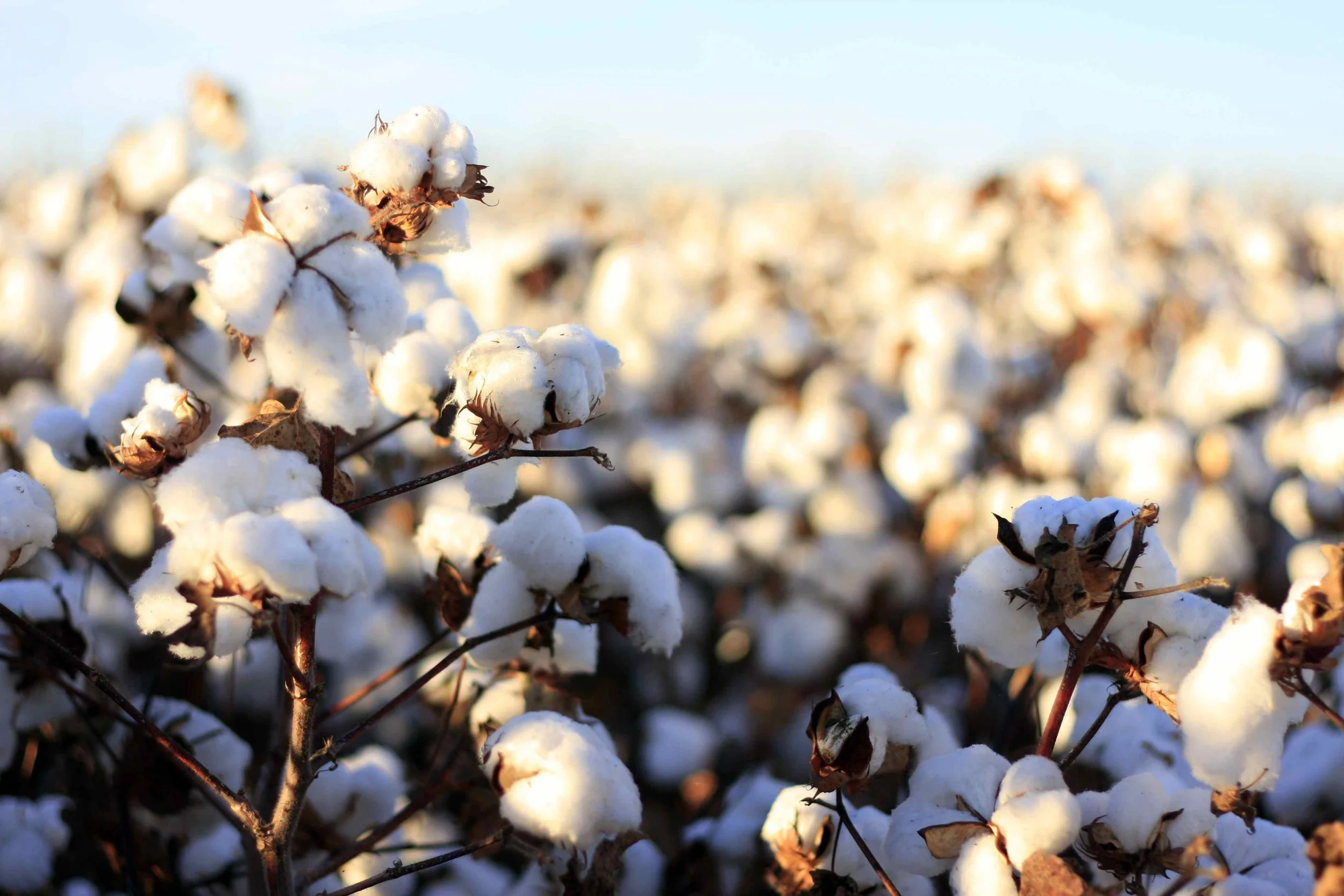
In her talk, Camila explores the dispersal of cotton along South America’s Pacific coast to
shed light on technological transmission, plant cultivation, and the spread of textile
knowledge. The early development of spinning and weaving, central to later Inka textile
traditions, demonstrates how fibres economies were hallmarks of sophisticated ecological and
technological system in Pre-Columbian societies. The exceptional preservation of ancient
cotton in South America’s desert coasts and valleys offers an unparalleled opportunity to ask
how fibre technologies shaped innovation, centred women’s labour, and laid the foundations
of Andean farming.
Cotton, a globally significant fibre crop, accounts for 81% of natural fibre production and
27% of global textile manufacturing. While plant domestication and spread of crop for food
are often seen as primarily agricultural phenomena, cotton complicates this narrative. Rather
than asking only when and where cotton was first cultivated, this project interrogates whether
it was the circulation of fibre technologies—spinning, twisting, and weaving—and the social
knowledge attached to them that stimulated cultivation in the first place. In other words, did
the plant drive the textile, or did the textile drive the plant? By centring objects like yarns,
woven fragments, and nets, at the core of her research, Dr Alday treats textile technologies as
active forces that shaped human choices, economies, and craft exchange. This reframing
allows us to see cotton as part of a larger history of technological transfer and innovation,
where the entanglement of plants and textiles became foundational for Andean complexity.
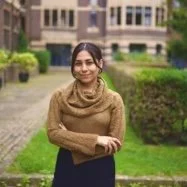
Dr. Camila Alday is an archaeologist whose research examines the deep history of fibre
technologies and textiles in Pre-Columbian South America, with particular emphasis on the
earliest evidence and uses of textile plants and their roles in facilitating social, economic, and
ecological systems along the Pacific desert coast. Her work highlights how ancient fibre
technologies—basketry, nets, garments, bags, and other woven forms—were not merely
utilitarian objects but central to the reproduction of technological knowledge and economic
systems. These practices continue to shape living traditions in South America today. Drawing
on archaeology, material science, and ethnographic research, Dr. Alday’s approach bridges
the sciences and humanities.
She is currently a Postdoctoral Researcher at the McDonald Institute for Archaeological
Research, University of Cambridge, and currently co-PI for the Wetlân
Laboratory (CRASSH, 2025–2027), a project that bridges the arts, humanities, and
architecture to explore human–wetland relationships through research, creative practice, and
material engagement. She is also a recipient of the Wenner-Gren Hunt Postdoctoral
Fellowship (2026) and was the Phyllis and Eileen Gibbs Travelling Fellowship scholar
(2024–2025), Newnham College. She completed her PhD in Archaeology at the University of
Cambridge, where she investigated bast fibre technologies from the Terminal Pleistocene to
the Middle Holocene through fieldwork in Peru and Chile. She obtained her bachelor’s
degree in Anthropology with a major in Archaeology from the University of Tarapaca, in
northern Chile
TICKETS:: Members £15. - Non Members £20 (includes a glass of wine at the reception)
Please go to https://buytickets.at/angloperuviansociety/1927661 to buy your tickets.
All proceeds will support charitable projects in Peru.
We look forward to seeing you at this very interesting talk.
The Anglo Peruvian Society